
Some people consider affordable a synonym for cheap, but I think it’s a word with a lot more nuance.
Rather than a price tag, I see affordability as a holistic measure of feasibility given our goals and resources.
In my opinion, true affordability lies at the intersection of the function, cost, and timeframe that apply to something with which we might engage.
I’ll expand on each of those three words through a series of questions. These might make useful starting points for future conversations about the things we can and can’t afford to do, make, or purchase.
Function:
Would this actually serve our needs? Why are we doing this in the first place? How long do we need this for? If this is supposed to be a long-term solution, can we reasonably expect people to live with this indefinitely? Is this adaptable to the forecasted changes ahead?
Cost:
Can we do this with the financial, material, and human resources we have available? What will this require in order to operate day-to-day? Who else and what else might be affected by this? Are there any negative consequences we’re ethically willing to accept? Which ethical consequences will we refuse to tolerate? What kind of costs might we face if we choose not to do this? If we say yes to this, to which things are we saying no?
Timeframe:
How long will this last before it needs to be replaced? How often will it need to be repaired? How much will repairs cost? Are there any irreplaceable components in critical places? How do these factors balance out with the upfront costs described above?
I think the big potential pitfall in discussions about affordability lies in being so seduced by low initial expenses that we fail to think through the deeper dimensions of this topic with the level of consideration they deserve. It’s challenging to engage with the questions above because they often reveal that the pace and quantity of what we can actually afford are usually less than what we anticipated. The way out is committing regardless to rallying around a mindset of investment, patience, and big-picture thinking. In the long run, this offers the best deal available. For individuals this is a choice, for designers it’s a strategy, for politicians and leaders it’s a cultural challenge.
—— —— ——
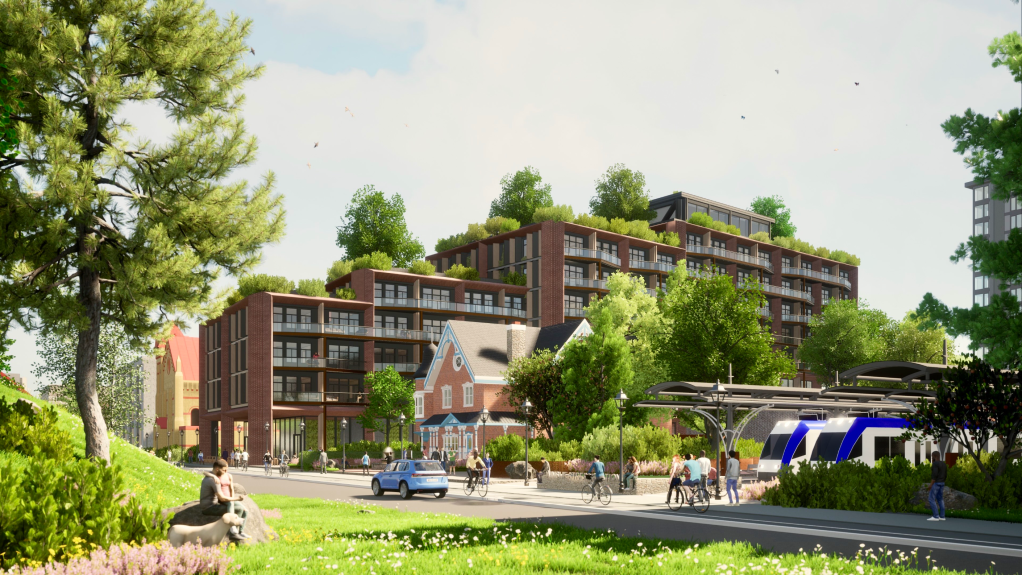
I recently completed an academic design project where the brief requested a proposal for an affordable residential housing block. Reasonable but aspirational approaches were highly encouraged. The ideas in this post substantially informed my response. I’m excited by how it turned out. If you’d like to take a look, feel free to download the project summary booklet here. The image at the top of this post is a rendering of the outside. It may look fairly conventional, but I promise there’s a lot going on under the hood.
 Designable.blog